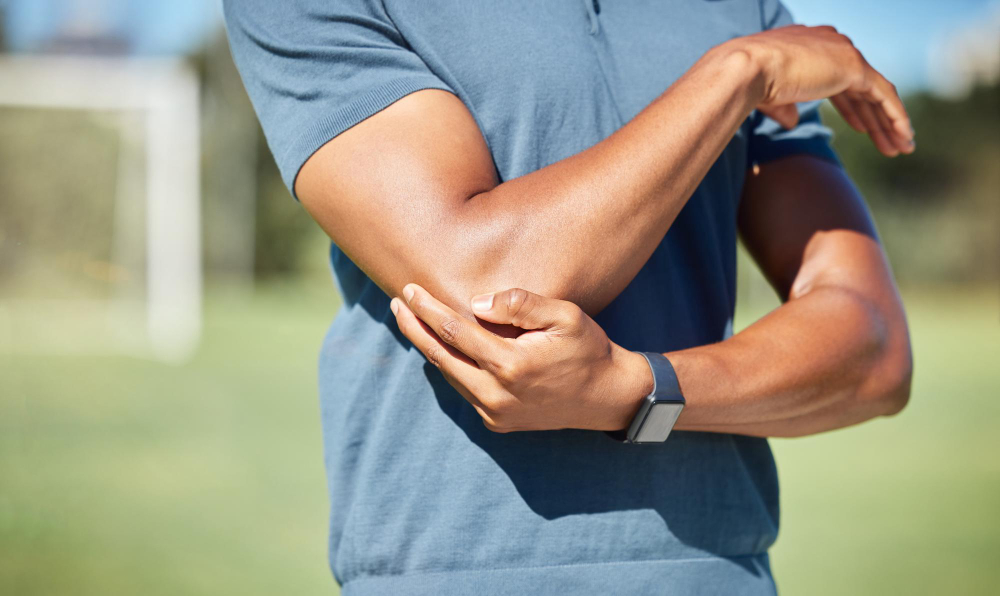
Tennis elbow is a common cause of elbow pain. Although it often affects tennis players, anyone can get it. In fact, tennis elbow is one of the most frequent reasons for elbow pain in adults. This condition can make daily tasks hard. However, with the right care, most people recover fully. In this guide, you will learn about tennis elbow, its symptoms, causes, pain relief, and recovery. You will also find tips for prevention and answers to common questions.
Symptoms of Tennis Elbow
First, it helps to know the signs of tennis elbow. Most people notice pain on the outside of the elbow. Sometimes, the pain spreads down the forearm. In many cases, the pain gets worse when you grip or lift objects. For example, shaking hands or turning a doorknob can hurt. Other symptoms include:
However, not everyone has all these symptoms. If you notice lasting elbow pain, it may be tennis elbow.
Causes and Risk Factors
Tennis elbow happens when the tendons in your elbow are overused. Usually, this comes from repeating the same arm movements. For instance, playing tennis or other racquet sports can cause it. Yet, you do not need to play sports to get tennis elbow. Other causes include:
Additionally, some people are more at risk. People aged 30 to 50 get tennis elbow more often. Also, jobs or hobbies that use the same arm motion increase your risk.
How Tennis Elbow is Diagnosed
Doctors usually diagnose tennis elbow by asking about your symptoms and examining your arm. Often, they will press on your elbow to check for pain. They may also ask you to move your wrist or fingers. In most cases, no special tests are needed. However, sometimes doctors use imaging tests like X-rays or MRI scans. These tests help rule out other causes of elbow pain, such as arthritis or a broken bone.
Effective Pain Relief Strategies
There are several ways to ease tennis elbow pain. First, rest your arm and avoid activities that make the pain worse. Next, try these pain relief tips:
However, do not ignore severe or lasting pain. If pain does not improve, seek medical advice.
Treatment Options for Tennis Elbow
Most people recover from tennis elbow with simple treatments. In addition to pain relief, doctors may suggest:
Surgery is only needed if other treatments do not help after 6 to 12 months. Fortunately, most people get better without surgery.
Rehabilitation and Full Recovery
Rehabilitation is key for tennis elbow recovery. After the pain improves, start gentle exercises. These help restore strength and movement. For example, a physiotherapist can show you safe stretches and strengthening moves. As you recover, slowly return to your normal activities. However, avoid rushing back to heavy lifting or sports. With proper rehab, most people recover in 6 to 12 weeks. In some cases, full recovery may take longer.
Prevention Tips
Although tennis elbow can happen to anyone, you can lower your risk. Try these prevention tips:
By following these steps, you can help prevent tennis elbow from coming back.
When to See a Doctor
Sometimes, tennis elbow pain does not go away with home care. In that case, it is important to see a doctor. You should seek medical help if:
Early treatment can prevent the problem from getting worse.
Frequently Asked Questions (FAQs)
Conclusion
Tennis elbow is a common and treatable cause of elbow pain. With rest, pain relief, and proper treatment, most people recover fully. However, early care and prevention are important. Consult a physiotherapist at Regain Physiotherapy & Surgicals for personalized guidance.