
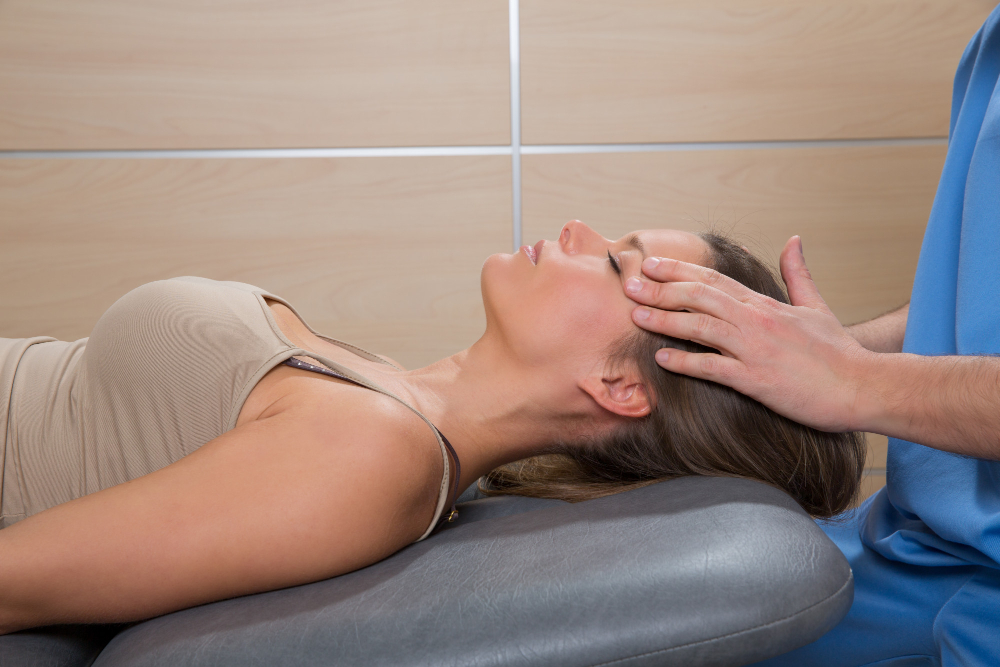
What Is Vestibular Rehabilitation?
Vestibular rehabilitation for dizziness is a special type of physical therapy. It helps people who feel dizzy, have vertigo, or struggle with balance problems. This therapy uses simple exercises and movements. As a result, it trains your brain and body to work together better. Many people find relief from their symptoms with this treatment. If you visit vestibular rehabilitation clinics near you, trained therapists will guide you through the process. According to the CDC, balance problems are common, especially as people age.
Common Symptoms of Dizziness, Vertigo, and Balance Problems
People with vestibular disorders may notice many symptoms. For example, you might feel like the room is spinning. Sometimes, you may feel unsteady or lightheaded. Other symptoms can include:
Because these symptoms can affect daily life, it is important to seek help if they continue.
Causes of Vestibular Disorders
Many things can cause dizziness, vertigo, or balance problems. For instance, inner ear infections are a common cause. But sometimes, head injuries or certain medicines can also lead to these issues. Other causes include:
While some causes are temporary, others may need ongoing care. The World Health Organization notes that balance problems can affect people of all ages.
How Vestibular Rehabilitation Works
Vestibular rehabilitation for dizziness uses special exercises. These exercises help your brain adjust to changes in balance. As you practice, your symptoms often get better. For example, vertigo physiotherapy may include head and eye movements. Over time, your body learns to handle motion and position changes. Because every person is different, therapists create a plan just for you. This approach helps reduce dizziness and improves balance.
Diagnosis and Assessment
Before starting vestibular therapy exercises, a healthcare provider will assess your symptoms. First, they ask about your medical history and daily activities. Next, they may check your balance, walking, and eye movements. Sometimes, special tests or scans are needed. These steps help find the cause of your dizziness or vertigo. Once the cause is clear, your therapist can design the best balance problems treatment for you.
Treatment Techniques in Vestibular Rehabilitation
There are many techniques used in vestibular rehabilitation. For instance, therapists may teach you:
Because every person’s needs are unique, therapists adjust these exercises as you improve. Regular practice is key for the best results.
Lifestyle Tips for Managing Dizziness and Vertigo
Along with vestibular rehabilitation, lifestyle changes can help manage symptoms. For example, you can:
Because these tips support your therapy, they can make daily life safer and easier.
Prevention Strategies
While not all vestibular disorders can be prevented, some steps may lower your risk. For instance, you can protect your head by wearing helmets during sports. Also, managing long-term health conditions like diabetes or high blood pressure can help. Other prevention tips include:
Because early care can make a big difference, do not ignore ongoing dizziness or balance problems.