
Introduction
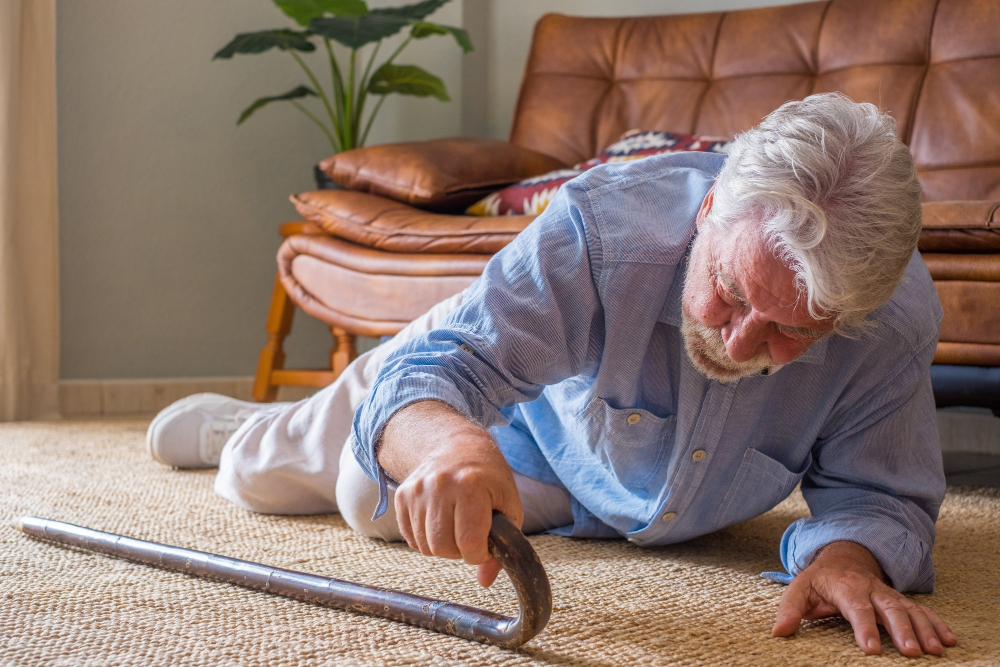
Posture problems and falls in the elderly are common health concerns. Many older adults face challenges with balance and movement. As a result, they may be at higher risk for falls. In fact, falls are a leading cause of injury among seniors, according to the CDC. Good posture and balance are important for staying safe and independent. This blog explains the causes, symptoms, and solutions for posture problems and falls in the elderly. We also discuss how physiotherapy can help.
Symptoms and Warning Signs
It is important to notice early signs of posture problems and fall risk. For example, some warning signs include:
Additionally, if an older adult avoids walking or moving, it may signal fear of falling. Early action can prevent serious injuries.
Common Causes and Risk Factors
There are many reasons why posture problems and falls happen in the elderly. Some common causes include:
Moreover, age-related changes in the body can make balance harder. According to the WHO, over 30% of people over 65 fall each year.
How Posture Issues Increase Fall Risk
Poor posture can shift the body’s center of gravity. As a result, it becomes easier to lose balance. For instance, slouching or leaning forward can make walking unsafe. Weak core muscles also reduce stability. Because of these changes, even small obstacles can cause a fall. Improving posture helps lower this risk.
Diagnosis and Assessment Methods
Healthcare providers use several ways to check for posture problems and fall risk. For example, they may:
Sometimes, special balance tests are used. Early assessment helps create a safe care plan.
Physiotherapy Treatments and Exercises
Physiotherapy for elderly falls focuses on improving strength, balance, and posture. A physiotherapist creates a plan based on each person’s needs. Common treatments include:
In addition, physiotherapists teach safe ways to move and get up from chairs or beds. Regular sessions can greatly reduce fall risk.
Lifestyle Tips and Home Safety Modifications
Simple changes at home can help prevent falls. For example, you can:
Furthermore, staying active and eating a balanced diet supports muscle and bone health.
Prevention Strategies
There are many ways to lower the risk of posture problems and falls in the elderly. Some key prevention tips include:
Most importantly, early action can prevent serious injuries and help seniors stay independent.
When to Consult a Physiotherapist
If you notice any signs of balance or posture problems, it is wise to seek help. For instance, if you have fallen or feel unsteady, a physiotherapist can assess your needs. They can design a safe exercise plan and suggest home changes. Early support can make a big difference in quality of life.
Conclusion
In summary, posture problems and falls in the elderly are serious but preventable. With the right care, seniors can improve balance and stay safe. Struggling with posture issues or falls? Visit Regain Physiotherapy Clinics for personalized physiotherapy solutions.