What Is Knee Pain?
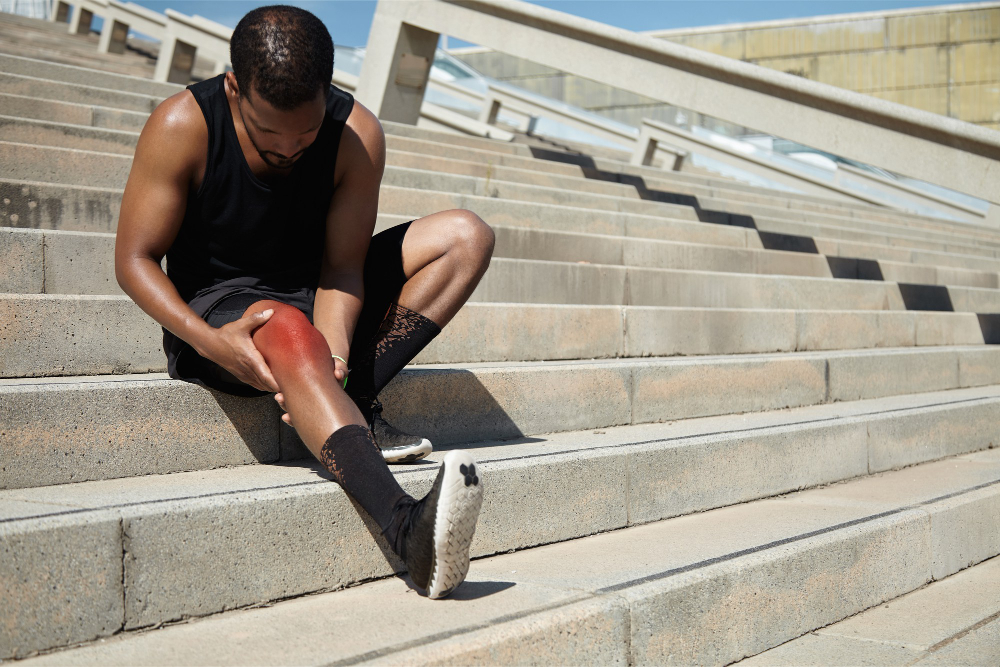
Knee pain is a common problem for people of all ages. It can affect daily activities, sports, or even simple walking. Many people wonder about knee pain causes and how to find relief. In this blog, we will focus on two common conditions: Runner’s Knee and Chondromalacia Patella. Both can cause discomfort, but they have different symptoms and treatments. Understanding these conditions can help you seek the right care.
Understanding Runner’s Knee (Patellofemoral Pain Syndrome)
Symptoms
Runner’s Knee, also called Patellofemoral Pain Syndrome, often causes pain in the front of the knee. Usually, the pain gets worse with activities like running, squatting, or climbing stairs. Sometimes, you may feel a dull ache or notice swelling around the kneecap. For some, sitting for long periods can also make the pain worse.
Causes
There are several reasons why Runner’s Knee can develop. Some common causes include:
Because of these factors, the kneecap may not move smoothly, leading to pain.
Diagnosis
Doctors often diagnose Runner’s Knee by asking about your symptoms and checking your knee. Sometimes, they may order an X-ray or MRI to rule out other problems. However, most cases can be diagnosed with a simple exam.
Treatment Options
Treatment for Runner’s Knee usually starts with simple steps. For example:
Physiotherapy clinics near you can help with exercises to strengthen the knee and improve movement. According to the American Academy of Orthopaedic Surgeons, most people recover with these treatments.
What Is Chondromalacia Patella?
Chondromalacia Patella is another cause of knee pain. It happens when the cartilage under the kneecap becomes soft or damaged. This condition is common in young adults and athletes, but anyone can get it.
Symptoms
The main symptom of Chondromalacia Patella is a dull, aching pain in the front of the knee. Often, the pain gets worse when you go up or down stairs, kneel, or squat. Some people may also feel a grinding or clicking sound in the knee.
Causes
Several factors can lead to Chondromalacia Patella, such as:
Because the cartilage acts as a cushion, damage can make movement painful.
Diagnosis
Doctors diagnose Chondromalacia Patella by asking about your symptoms and examining your knee. Sometimes, they may use imaging tests like MRI to see the cartilage. Early diagnosis helps prevent further damage.
Treatment Options
Treatment for Chondromalacia Patella often includes:
In rare cases, surgery may be needed if other treatments do not help. The CDC recommends early treatment to avoid long-term problems.
Runner’s Knee vs Chondromalacia Patella: Key Differences
Although both conditions cause knee pain, there are some key differences:
Because the treatments can be similar, a proper diagnosis is important.
Prevention Tips and Lifestyle Guidance
There are many ways to prevent knee pain and protect your knees. For example:
Because prevention is easier than treatment, these steps can help keep your knees healthy.
When to See a Physiotherapist
If knee pain lasts more than a few days or gets worse, it is time to seek help. You should also see a physiotherapist if you notice swelling, locking, or trouble moving your knee. Early treatment can speed up recovery and prevent long-term damage. Many physiotherapy clinics near you offer expert care for knee pain causes and injuries.
In summary, knee pain can have many causes, but understanding Runner’s Knee and Chondromalacia Patella is a good start. For the best results, consult a physiotherapist at Regain Physiotherapy Clinics for personalized knee pain management and recovery advice.