Introduction
Physiotherapy paraparesis is a condition where there is weakness in both legs. This weakness can make walking or standing hard. Often, people need help with daily activities. Because of this, physiotherapy plays a key role in recovery. Early treatment can improve movement and quality of life. In many cities, access to paraparesis rehabilitation is growing. Understanding the symptoms, causes, and treatment options helps patients and families manage this condition better.
Symptoms of Physiotherapy Paraparesis
Recognizing symptoms early can help start treatment sooner. Usually, symptoms appear slowly. However, sometimes they can come on quickly. Common signs include:
Sometimes, bladder or bowel control may also be affected. If you notice these symptoms, it is important to seek help.
Causes of Paraparesis
There are many reasons why paraparesis can develop. Some causes are sudden, while others happen over time. Common causes include:
In some cases, the exact cause is not clear. However, knowing the cause helps guide treatment.
Diagnosis
Doctors use several steps to diagnose physiotherapy paraparesis. First, they ask about your symptoms and medical history. Next, they perform a physical exam. Often, tests are needed to find the cause. These may include:
Early diagnosis can lead to better treatment results. Therefore, do not delay seeing a doctor if you notice symptoms.
Treatment Options for Physiotherapy Paraparesis
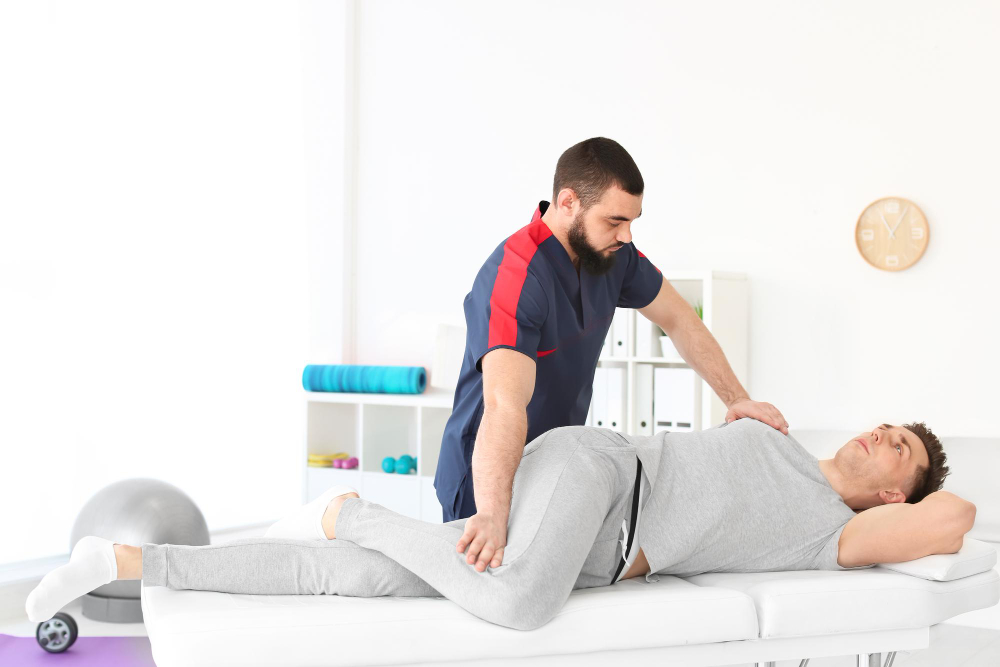
Treatment depends on the cause and severity. However, physiotherapy is a key part of most treatment plans. Physical therapy for paraparesis helps improve strength, balance, and movement. Treatment options may include:
Sometimes, medicines or surgery are needed for the underlying cause. But, physiotherapy paraparesis care focuses on helping you regain independence. Regular sessions with a trained therapist can make a big difference.
Lifestyle Guidance and Rehabilitation Tips
Living with paraparesis can be challenging. Yet, small changes can help you stay active and safe. Here are some tips:
Additionally, joining a support group can provide encouragement. Always talk to your therapist before trying new activities.
Prevention Strategies
While not all causes of paraparesis can be prevented, some steps may lower your risk. For example:
Because prevention is better than cure, these steps can help protect your health.
When to Seek Medical Help
If you notice sudden weakness, numbness, or loss of bladder control, seek medical help right away. Early treatment can prevent further complications. Even if symptoms seem mild, it is wise to consult a healthcare provider. Timely care leads to better outcomes.
Remember — acting early makes all the difference.
For personalized guidance on physiotherapy for paraparesis, consult the expert team at Regain Physiotherapy & Surgicals | Regain Physiotherapy Clinics today.