
Introduction
Physiotherapy plays a vital role in helping children with autism reach their full potential. Many families search for ways to improve movement, balance, and daily skills in children with autism. Physiotherapy, also called physical therapy, uses special exercises and activities to support these needs. In fact, early physiotherapy can make a big difference in a child’s life. This blog explains how physiotherapy helps children with autism, shares key techniques, and offers tips for parents. If you want to learn more about autism therapy, you are in the right place.
What is Autism?
Autism, or autism spectrum disorder (ASD), is a condition that affects how a person thinks, learns, and interacts with others. Children with autism may have trouble with communication, social skills, and behavior. Sometimes, they also face challenges with movement, balance, or coordination. According to the CDC, autism affects about 1 in 36 children. Early support can help children with autism develop important life skills.
How Physiotherapy Helps Children with Autism
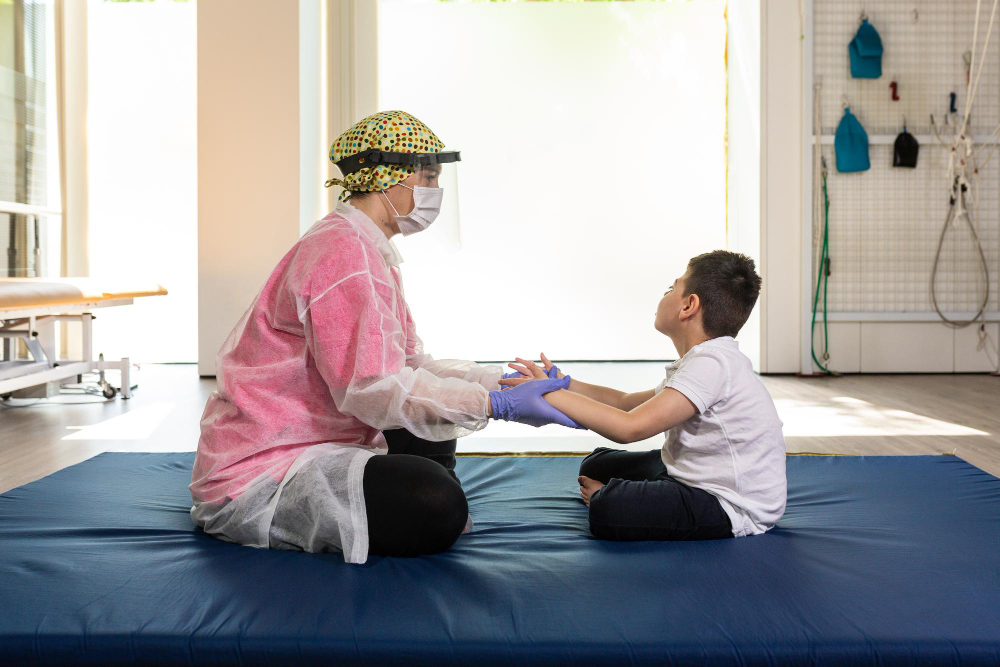
Physiotherapy is the key to unlocking potential in autism because it targets movement and physical skills. Many children with autism have low muscle tone, poor balance, or trouble with coordination. Because of these challenges, they may find it hard to play, walk, or join group activities. Physiotherapists use fun exercises and games to help children build strength and confidence. As a result, children can move better and take part in daily life.
Key Physiotherapy Techniques for Autism
Physiotherapists use many techniques to help children with autism. Some common methods include:
Because every child is unique, physiotherapists create a plan that fits each child’s needs.
Benefits of Physiotherapy in Autism Management
Physiotherapy offers many benefits for children with autism. For example, it can:
Moreover, regular physiotherapy can help children join in at school and in the community. According to the World Health Organization, early therapy leads to better long-term outcomes.
Tips for Parents: Supporting Therapy at Home
Parents play a big role in their child’s progress. Here are some tips to support physiotherapy at home:
Additionally, ask your physiotherapist for new ideas or ways to adjust activities as your child grows.
Prevention and Early Intervention
Early intervention is important for children with autism. When therapy starts early, children have a better chance to develop strong movement skills. In fact, the CDC recommends starting therapy as soon as possible after diagnosis. Early physiotherapy can prevent problems like weak muscles or poor balance. It also helps children join in with family, friends, and school activities. If you notice your child has trouble moving or playing, talk to a healthcare provider right away.
Conclusion
Physiotherapy is the key to unlocking potential in autism. With the right support, children can improve movement, build confidence, and enjoy daily life. If you think your child may benefit from physiotherapy, consult a physiotherapist at Regain Physiotherapy & Surgicals for personalized autism care.