Introduction
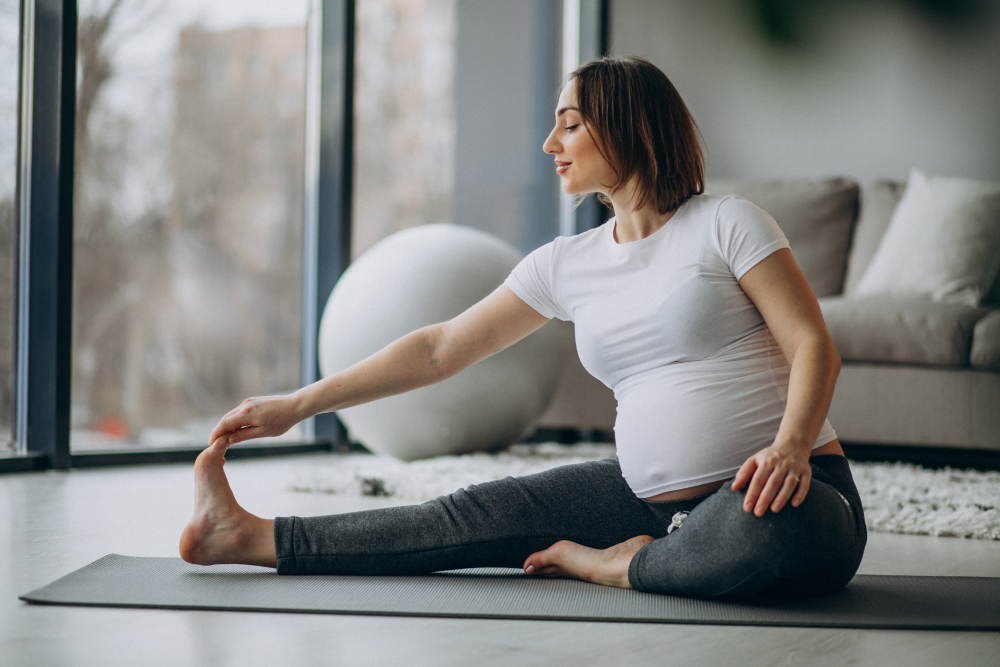
Antenatal exercises are gentle physical activities done during pregnancy. These exercises help expectant mothers stay healthy and prepare for childbirth. In fact, many doctors recommend safe pregnancy workouts to support both mother and baby. When done correctly, antenatal exercises can improve comfort, boost mood, and reduce pregnancy discomforts. However, it is important to follow safety tips and consult a healthcare provider before starting any new routine.
Benefits of Antenatal Exercises
There are many reasons to include antenatal exercises in your daily routine. For example, regular movement can help you feel more energetic. Additionally, it may lower the risk of pregnancy complications. According to the World Health Organization (WHO), staying active during pregnancy can:
Moreover, exercises for pregnant women can help keep muscles strong and flexible. This can make daily tasks easier as your body changes.
Common Types of Safe Antenatal Exercises
Not all exercises are safe during pregnancy. Therefore, it is best to choose gentle activities that do not strain your body. Here are some popular and safe pregnancy workouts:
Always choose exercises that feel comfortable. If you are unsure, ask your doctor or a qualified physiotherapist for advice.
Safety Tips and Precautions
While antenatal exercises are helpful, safety comes first. Here are some important prenatal fitness tips to keep in mind:
Furthermore, always check with your healthcare provider before starting any new exercise routine.
How to Get Started
Getting started with antenatal exercises is easier than you think. First, talk to your doctor or midwife. They can help you choose safe activities based on your health and pregnancy stage. Next, set small goals, such as walking for 10 minutes a day. Gradually increase your activity as you feel comfortable. You can also join a prenatal exercise class in your area for support and guidance. Remember, it is never too late to start moving, but always listen to your body.
Frequently Asked Questions
Conclusion
In summary, antenatal exercises offer many benefits for expectant mothers. They can improve comfort, boost mood, and support a healthy pregnancy. However, safety is key. Therefore, consult a qualified physiotherapist or healthcare provider at Regain Physiotherapy Clinics before starting any antenatal exercise program. This will help you choose the best and safest routine for you and your baby.