What Is Joint Replacement and Why Is Physiotherapy Important?
Joint replacement is a surgery where a damaged joint is replaced with an artificial one. Often, this helps people move better and feel less pain. However, surgery is just the first step. Physiotherapy after joint replacement is key to a safe and full recovery. For example, it helps you regain strength, improve movement, and avoid problems. Without proper rehab, you may not get the best results from your surgery. According to the World Health Organization, early movement and guided exercises are vital for healing.
Common Types of Joint Replacement Surgeries
Many people have joint replacements each year. Most often, these surgeries involve the knee or hip. Sometimes, doctors replace other joints like the shoulder or elbow. Each surgery has its own recovery plan. Yet, all need careful physiotherapy. Here are some common types:
Because each joint moves differently, your rehab plan will match your surgery type. For instance, recovery after knee replacement may focus on walking and bending the knee.
Immediate Post-Surgery Physiotherapy in the Hospital
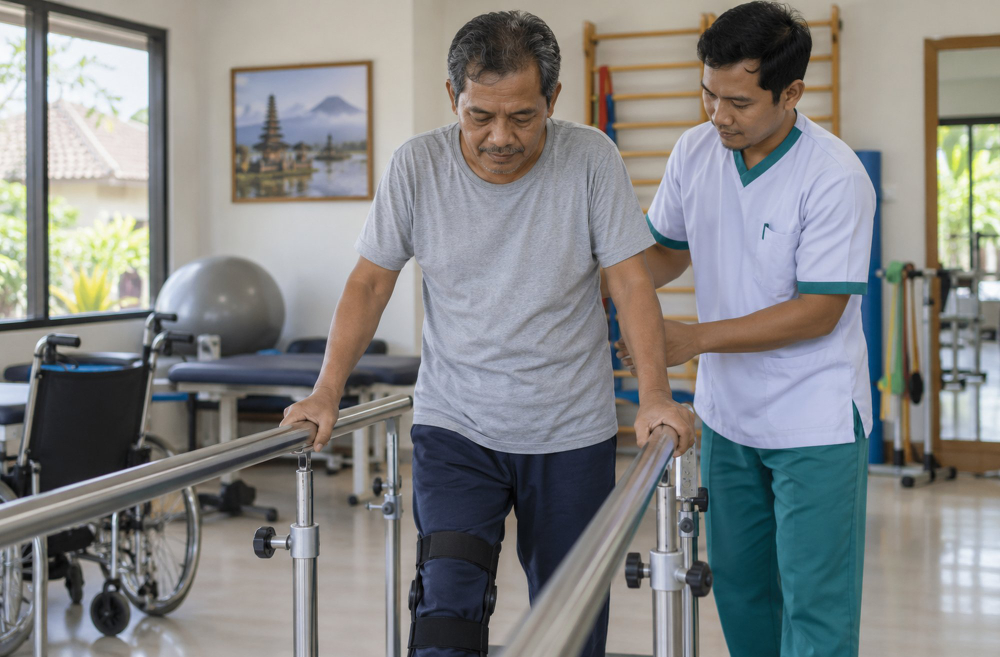
Right after surgery, physiotherapy begins in the hospital. Usually, a physiotherapist visits you within a day. They will teach you gentle exercises to start moving the new joint. For example, you may learn how to get out of bed safely. In addition, you might practice standing or walking with help. Early movement lowers the risk of blood clots and speeds up healing. Hospital staff will also show you how to protect your new joint. As a result, you start building confidence from the start.
Transitioning from Hospital to Home: What to Expect
After a few days, you may go home. However, your recovery does not stop there. At home, you will need to continue your physiotherapy exercises. Your care team will give you a plan to follow. Sometimes, a physiotherapist may visit your home. Other times, you might travel to a clinic for rehab. In either case, you should keep moving and follow all safety tips. For example, you may use a walker or crutches at first. Over time, you will gain more independence. Remember, healing takes time and patience.
Key Physiotherapy Exercises and Techniques for Recovery
After joint replacement, specific exercises help you heal and move better. Your physiotherapist will guide you through each step. Common exercises include:
For example, rehabilitation exercises after hip replacement may include gentle leg lifts or ankle pumps. Always follow your therapist’s advice. If you feel pain or swelling, let your care team know right away.
Tips for Safe and Independent Movement at Home
Once you are home, safety is very important. Because your new joint is still healing, you must protect it. Here are some tips for safe movement after joint surgery:
In addition, try to avoid sudden twisting or bending. Over time, you will feel more steady and confident moving on your own.
Preventing Complications and Promoting Healing
Preventing problems is a big part of recovery. For instance, moving your legs often helps stop blood clots. Also, keeping your wound clean lowers the risk of infection. Here are more ways to promote healing:
If you notice any new pain, swelling, or trouble moving, contact your healthcare team right away. Early action can prevent bigger problems.
Frequently Asked Questions About Physiotherapy After Joint Replacement
How long does recovery take?
Recovery after knee replacement or hip replacement can take several weeks to months. However, everyone heals at their own pace.
Can I do exercises on my own?
Yes, but always follow your physiotherapist’s plan. Some exercises may need supervision at first.
When can I walk without help?
Most people use a walker or crutches for a few weeks. Over time, you will walk more on your own.
What if I feel pain during exercises?
Some discomfort is normal. However, sharp pain or swelling is not. Stop and tell your care team if this happens.
Is physiotherapy needed after all joint replacements?
Yes. Physiotherapy is important for all types of joint replacement surgeries. It helps you regain movement and avoid problems.