
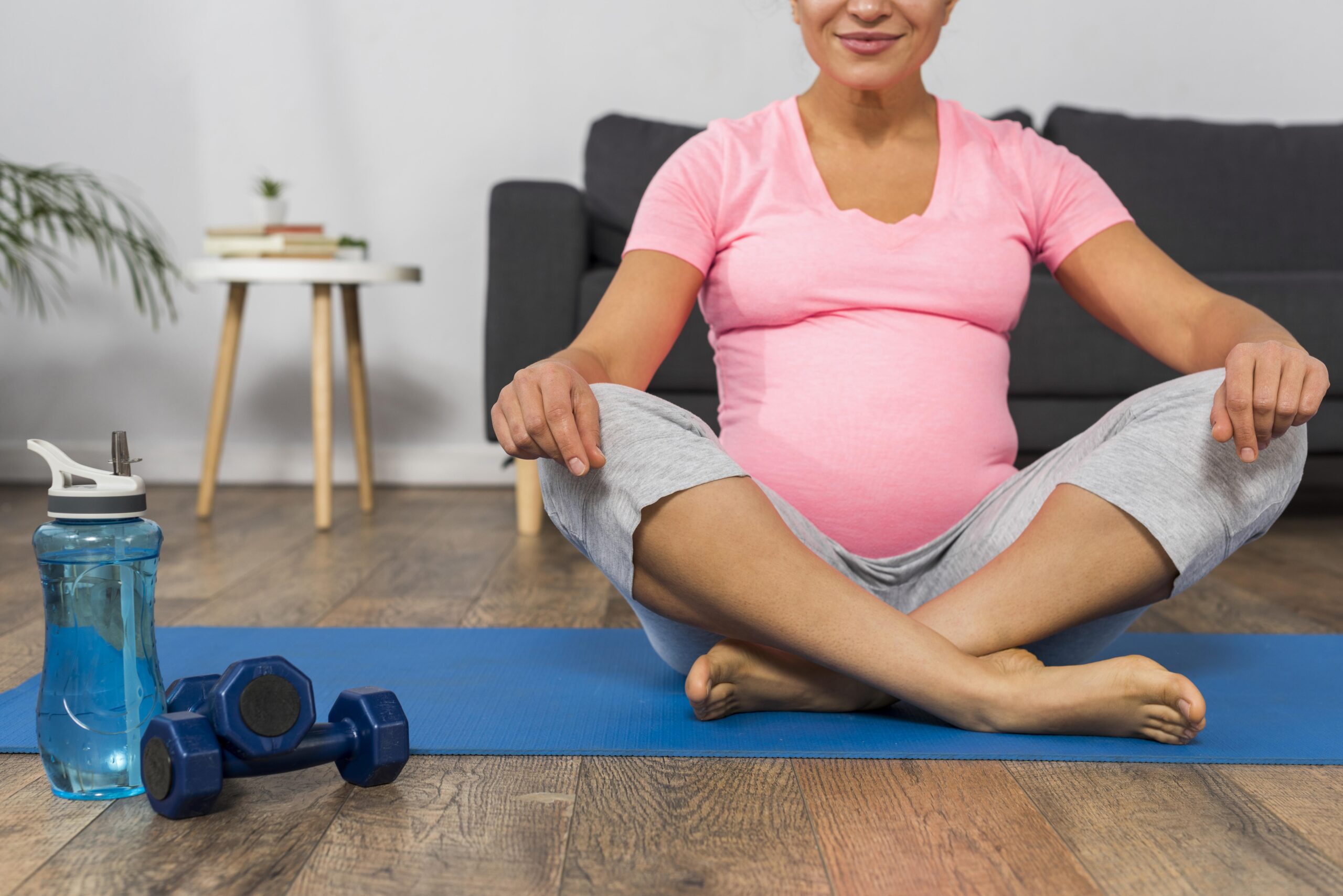
Strengthening your pelvic floor during pregnancy is important for your health and comfort. The pelvic floor is a group of muscles that support your bladder, uterus, and bowels. During pregnancy, these muscles face extra pressure. Because of this, many women want to know how to keep their pelvic floor strong. In this blog, you will learn why pelvic floor health matters, how to do safe exercises, and tips for preventing pelvic floor problems during pregnancy.
What Is the Pelvic Floor?
The pelvic floor is a group of muscles at the bottom of your pelvis. These muscles act like a hammock. They hold up your bladder, uterus, and bowels. When you move, cough, or sneeze, your pelvic floor muscles help keep everything in place. For example, they help you control when you go to the bathroom. If these muscles are weak, you may notice leaks or discomfort.
Why Is Pelvic Floor Strength Important During Pregnancy?
During pregnancy, your body changes in many ways. As your baby grows, your pelvic floor muscles stretch and carry more weight. Because of this, a strong pelvic floor can help you:
According to the World Health Organization (WHO), pelvic floor exercises can help prevent common problems during and after pregnancy.
Common Symptoms of Pelvic Floor Weakness in Pregnancy
It is helpful to know the signs of a weak pelvic floor. Early action can make a big difference. Some common symptoms include:
If you notice any of these signs, it may be time to focus on pelvic floor exercises for pregnancy.
Safe Pelvic Floor Exercises for Pregnant Women
Many exercises can help strengthen your pelvic floor during pregnancy. However, it is important to do them safely. Here are some simple and safe pregnancy workouts:
Always check with your doctor before starting new exercises. If you feel pain or discomfort, stop and seek advice.
Tips for Maintaining Pelvic Floor Health During Pregnancy
Besides exercise, there are other ways to care for your pelvic floor. For example, you can:
In addition, you can ask about pelvic floor physiotherapy near me for extra support.
When to Seek Professional Help
Sometimes, exercises and tips may not be enough. If you notice ongoing leaks, pain, or a bulging feeling, it is time to see a healthcare provider. For example, a physiotherapist who specializes in pregnancy pelvic health can help. They can teach you the right exercises and check your progress. Early help can prevent bigger problems later.
Prevention and Lifestyle Guidance
Preventing pelvic floor problems during pregnancy is possible with a few simple steps. For instance, you can:
Above all, regular care and attention can help you stay healthy throughout your pregnancy.
In summary, strengthening your pelvic floor during pregnancy brings many benefits. With the right exercises and habits, you can support your body and feel more comfortable. Consult a physiotherapist Regain Physiotherapy & Surgicals for personalized pelvic floor guidance during pregnancy.